
What It Means When Your Insurance Company Pays for Roof Replacement
Getting the news that your insurance company will pay for a roof replacement can feel like a huge relief. It usually means the insurer agrees that covered damage occurred and that repairs are not enough to restore the home properly.
Still, an insurance approval is not the same as a blank check. The payout, timing, deductible, contractor process, and policy terms all matter. Knowing what the approval really means can help avoid surprises before work begins.
This article is general information only. Policy terms vary, so the actual claim decision depends on the insurance contract and the adjuster’s findings.

The insurer found covered damage
When an insurance company agrees to pay for roof replacement, it usually means the damage fits within the policy’s covered causes of loss. Common examples include:
Wind damage
Hail impact
Fallen tree limbs
Storm-related damage
Certain sudden accidental events
The key word is covered. Insurance does not usually pay for replacement just because a roof is old. If shingles failed from age, poor maintenance, improper installation, or long-term wear, the insurer may deny the claim or pay only for a small portion.
If the claim is approved, the adjuster likely determined that the damage was sudden, accidental, and serious enough that replacement is the appropriate fix.
That does not always mean the entire roofing system is covered. The approval may apply to specific slopes, materials, accessories, or code-required items depending on the policy and local requirements.
Approval does not always mean full payment up front
Homeowners are often surprised when the first check is lower than the total replacement estimate. That can happen because many policies use a two-part payment process.
The first payment may reflect the actual cash value of the damaged materials. Actual cash value accounts for depreciation, meaning the insurer subtracts value for age and wear.
If the policy includes replacement cost coverage, the remaining depreciation may be paid after the work is completed and proper documentation is submitted.
Term | What it usually means |
Actual cash value | The damaged item’s value after depreciation |
Replacement cost value | The cost to replace damaged materials with similar new materials |
Deductible | The amount the homeowner must pay before insurance covers the rest |
Recoverable depreciation | Money that may be released after the replacement is completed |
For example, if the approved replacement cost is $15,000 and the deductible is $2,000, the homeowner should not expect the insurer to pay the full $15,000 directly at the start. The deductible still applies, and some money may be held back until the project is done.

The deductible still has to be paid
Insurance paying for replacement does not remove the deductible. The deductible is the homeowner’s share of the loss.
If a contractor says the deductible can be “waived” or “covered,” be careful. In many states, deductible waiving can be illegal or considered insurance fraud. It can also create problems if the invoice sent to the insurance company does not match what was actually charged.
A clean claim process should show:
The approved insurance amount
The deductible
Any upgrades chosen by the homeowner
Any code-related items
The final invoice after work is complete
The safest approach is to treat the deductible as a real out-of-pocket cost unless the insurance company clearly says otherwise in writing.
The scope of work matters as much as the dollar amount
An approval should come with a claim estimate or scope of loss. This document explains what the insurance company agreed to pay for.
Read it carefully. The scope may include items such as:
Shingle removal and replacement
Underlayment
Flashing
Drip edge
Vents
Ridge caps
Ice and water shield where required
Disposal and labor
A roof insurance replacement claim can become confusing when the contractor’s estimate does not match the insurer’s scope. That does not automatically mean someone is wrong. Contractors may find missed items, local code requirements, or hidden damage once old materials come off.
If the contractor believes the insurance estimate is too low or incomplete, they may submit a supplement request. A supplement is a request for the insurer to review additional costs or missed items. The insurance company must approve those costs before they are added to the claim payment.
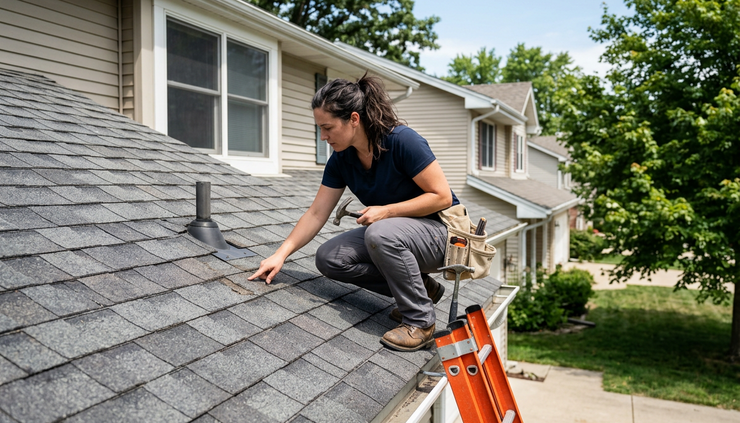
The contractor does not replace the insurance company
A roofing contractor can inspect the damage, provide an estimate, meet with the adjuster, and explain construction details. But the contractor does not decide policy coverage.
The insurance company decides what is covered under the policy. The contractor decides how to complete the work according to building standards, product requirements, and local codes.
This distinction matters because homeowners can get caught between two different conversations:
The insurer focuses on coverage, damage, depreciation, and policy language.
The contractor focuses on materials, labor, safety, installation, and code compliance.
A reliable contractor should be comfortable explaining the estimate in plain language. They should also avoid pressuring the homeowner to sign documents before the insurance decision is clear.
Before approving work, ask for a written contract that includes the materials, price, payment schedule, warranty information, and what happens if the insurer does not approve a supplement.
The payment may go through a mortgage company
If there is a mortgage on the property, the insurance check may include both the homeowner’s name and the mortgage company’s name. This is common.
The lender has a financial interest in the home, so it may require proof that the work is being completed. The lender might endorse the check, hold funds in escrow, or release payments in stages.
This can slow the process, especially if documents are missing. Common lender requirements may include:
The insurance estimate
A signed contractor agreement
Photos
Completion certificate
Final invoice
Inspection documents
If the check includes the mortgage company, contact the lender early. Ask what steps are required to release funds. This helps prevent delays once the contractor is ready to order materials or start work.

Replacement approval is also a chance to prevent future problems
Once the claim is approved, the goal is not only to replace damaged materials. It is also a good time to make sure the home is protected going forward.
Ask the contractor about ventilation, flashing, decking condition, and manufacturer installation requirements. Poor ventilation or bad flashing can shorten the life of new materials, even when the shingles are high quality.
Also keep copies of every document related to the claim and replacement. Save the insurance estimate, contractor contract, invoices, photos, warranties, permit records, and proof of payment. These records may help with future claims, home sales, or warranty questions.
The main takeaway
When an insurance company says it will pay for roof replacement, it means the claim has been accepted under the policy, at least in part. The insurer has agreed that covered damage occurred and that replacement is justified based on its inspection and policy review.
The next step is to understand the details. Review the approved scope, deductible, depreciation, payment process, and contractor agreement before work begins.
A claim approval is good news, but the best outcome comes from clear paperwork, honest pricing, and careful communication between the homeowner, contractor, insurer, and mortgage company.


Comments