
Metal Roof Myths Debunked Why They Last Longer and Perform Better
Metal roofs still carry a few old rumors with them. Some people picture loud barns, shiny industrial panels, or a roof that belongs on a shed rather than a home. Those ideas are outdated.
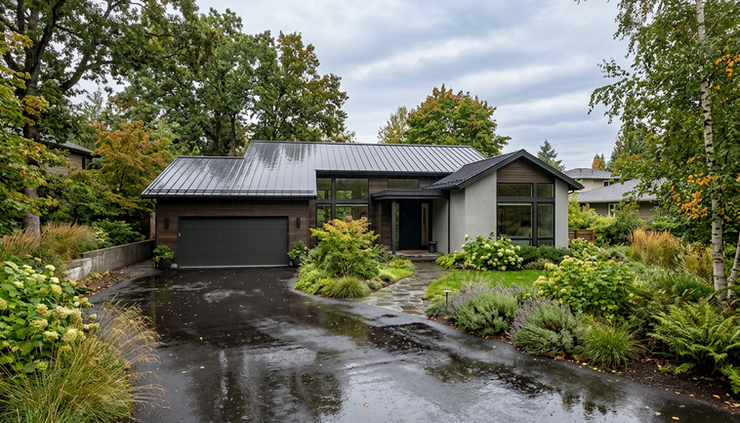
Today’s residential metal roofing is quieter, better insulated, more attractive, and more durable than many homeowners expect. It can handle harsh sun, heavy rain, hail, snow, and temperature swings while offering styles that look right at home in traditional neighborhoods, wooded lots, farmhouses, lake homes, and modern builds.
The myths usually come from older buildings where metal panels were installed over open framing with little insulation. A modern home is different. The roof assembly includes decking, underlayment, attic space, insulation, and ventilation. Those layers change how the roof performs.
Let’s clear up the biggest misconceptions and look at why metal has become a serious option for homeowners who want long-term value.
Myth one says metal roofs do not last as long as traditional materials
This myth gets the comparison backward.
A properly installed metal roof often lasts much longer than common asphalt shingles. Asphalt shingles remain popular because they are widely available and cost less upfront. They can perform well, especially when installed correctly. Still, they usually have a shorter service life because they rely on granules, oils, and layered materials that gradually break down from sun, wind, moisture, and freeze-thaw cycles.
Metal roofing is different. Quality steel, aluminum, zinc, or copper panels are designed to resist many of the forces that shorten the life of other materials. They do not dry out like asphalt. They do not absorb water like some porous materials. They shed snow and rain efficiently when designed with the right slope and flashing.
The result is a roof system that can serve a home for decades.
Roofing material | Typical lifespan range | Common concerns |
Asphalt shingles | About 15 to 30 years | Granule loss, curling, cracking, wind damage |
Wood shakes | About 20 to 40 years | Rot, insects, fire risk, moisture movement |
Concrete or clay tile | Often 50 years or more | Weight, breakage, structural requirements |
Metal panels or shingles | Often 40 to 70 years | Installation quality, coating wear, fastener details |
These ranges vary by climate, installation, maintenance, roof design, and material quality. A poorly installed roof of any type can fail early. A well-installed metal system with the right underlayment, flashing, ventilation, and coatings can outlast more familiar choices.
That lifespan matters because a roof is not just a one-time purchase. It is a long-term part of the home. Replacing asphalt shingles two or three times over the same period that one metal system could remain in place changes the value equation.
Longevity is one of metal’s strongest advantages, especially in regions with winter snow, summer heat, high winds, or frequent storms.
Myth two says metal roofs are loud when it rains
This is one of the most common worries, and it makes sense. Rain on an old barn roof can sound sharp and loud. Hail on an uninsulated metal outbuilding can be even louder.
A house is not an open barn.
On a home, metal panels are usually installed over solid roof decking. Beneath that assembly are layers such as underlayment, attic air space, ceiling materials, and insulation. Those layers absorb and reduce sound. In many homes, rain on a metal roof sounds similar to rain on shingles. Sometimes it sounds like a soft patter, not a booming drum.
Noise depends on several factors:
The roof deck beneath the metal
The amount and type of attic insulation
Ceiling materials inside the home
Roof slope and panel profile
Whether the roof is installed over an older roof or as a full replacement
The intensity of rain or hail
Hail is louder than rain on almost any roof material. Asphalt, tile, slate, and metal all produce sound during a strong hailstorm. The bigger question is not only how it sounds, but how well the roof handles the impact.
Modern metal panels are designed for exterior exposure. Some products have impact ratings, and some perform well in hail-prone regions. Large or severe hail can damage many roof types, including metal, but metal often resists cracking and water intrusion better than brittle materials.
If sound is a major concern, the best solution is a complete roof assembly, not a different roof surface alone. Good attic insulation, proper decking, and careful installation make the home quieter and more comfortable.
Myth three says metal makes a home hotter in summer
Metal can get hot in direct sun. So can asphalt shingles, concrete, stone, and car doors. Surface temperature does not tell the whole story.
The more useful question is how much heat the roof transfers into the living space.
Many modern metal roofs use reflective coatings that help bounce solar energy away from the home. Lighter colors tend to reflect more heat than darker colors, but even darker metal products may include cool-roof coating technology. The smooth surface and ventilated roof assembly can also help reduce heat gain.
A good roof system works with the whole home, including:
Attic insulation
Roof ventilation
Underlayment
Air sealing
Color choice
Local climate
Sun exposure
In warm climates, reflective metal roofing can help reduce attic heat. In colder climates, including northern states with long winters, metal can shed snow and ice more easily when the roof is properly designed. That does not remove the need for insulation and air sealing, but it can support better roof performance.
The insulation value does not come mainly from the metal panel itself. Most roof coverings, including shingles, tile, and metal, are not the primary insulation layer. The real thermal control comes from the assembly beneath and around the roof.
That point often gets missed. A metal roof is not “cold” in winter or “hot” in summer by itself. Comfort depends on how the entire roof and attic system is built.
A roof surface protects the home from weather. Insulation and ventilation control comfort. The best results come when all three work together.
For homeowners focused on energy efficiency, metal is worth a serious look. Options with reflective finishes, proper ventilation, and good attic insulation can support lower cooling loads and a more stable indoor temperature.
Myth four says metal roofs need constant maintenance
Metal roofs are often seen as high maintenance because people notice exposed fasteners, seams, or painted finishes. In practice, many require less routine attention than traditional materials.
Asphalt shingles can lose granules, curl, crack, or lift. Wood shakes may need treatment and careful monitoring for rot. Tile can crack or shift. Every roof needs inspection, but metal has fewer failure points when installed well.
Routine care usually means simple checks:
Keep gutters and valleys clear of leaves and debris
Trim branches that scrape the roof surface
Look for loose fasteners on exposed-fastener systems
Check sealants and flashing around chimneys, vents, and skylights
Avoid walking on panels unless necessary and safe
Schedule inspections after major storms
Standing seam systems often hide their fasteners, which helps protect them from weather exposure. Exposed-fastener systems can still perform well, but they may need periodic fastener inspection because washers and screws experience sun, expansion, and contraction.
Painted metal finishes can fade over time, especially in harsh sun. That does not mean the roof has failed. High-quality factory finishes are made to age gradually and protect the metal beneath. In many cases, appearance changes happen long before performance problems.
The key is to treat the roof as a system. Flashing, penetrations, valleys, edges, and ventilation matter as much as the panels. Most leaks in any roof type start at transitions or details, not in the middle of the field.
Low maintenance does not mean no maintenance. It means fewer repairs, less frequent replacement, and a more predictable service life when the roof is designed and installed correctly.

Myth five says metal roofs all look the same
This idea may have been true decades ago, when metal roofs were mostly corrugated panels on barns, sheds, and commercial buildings. Residential design has changed.
Homeowners now have many choices, including:
Standing seam panels with clean vertical lines
Metal shingles that resemble architectural shingles
Metal shakes with a wood-like profile
Metal tiles with a Spanish or Mediterranean look
Slate-style metal panels
Corrugated panels for farmhouse or rustic designs
Color options have expanded too. Homeowners can choose from charcoal, black, bronze, copper tones, deep green, red, gray, white, and many other finishes. Some products have textured coatings that soften glare and add dimension.
This flexibility matters because a roof covers a large part of the home’s exterior. The wrong material or color can fight the architecture. The right one can make the home look more finished.
A standing seam roof can suit a modern farmhouse, cabin, craftsman-style home, or contemporary build. Metal shingles can blend into neighborhoods where a traditional look is preferred. Stone-coated metal can offer texture without the weight of clay or concrete tile.
Aesthetic concerns are valid. No one wants a roof that looks out of place. The good news is that metal no longer means one style.
When choosing a look, consider:
The home’s siding, brick, or stone colors
The roof pitch and visible roof area
Neighborhood style
Trim and gutter colors
Long-term resale appeal
How the color looks in full sun and shade
Samples help. A small color chip can look different outdoors than it does inside. Viewing panels in natural light can prevent surprises.
Myth six says metal roofing is too expensive to make sense
Metal often costs more upfront than asphalt shingles. That part is true. The myth is that the higher initial price automatically makes it a poor value.
A roof should be judged over its full life, not only by the installation invoice. If one roof needs replacement sooner and another lasts much longer with fewer repairs, the more expensive option may become the better long-term choice.
Several factors affect the cost:
Cost factor | Why it matters |
Material type | Steel, aluminum, zinc, copper, and coated products vary widely |
Roof complexity | Valleys, dormers, skylights, chimneys, and steep slopes add labor |
Panel style | Standing seam, shingles, shakes, and tiles have different installation needs |
Tear-off needs | Removing old materials adds time and disposal costs |
Underlayment and ventilation | Better assemblies cost more but improve performance |
Labor skill | Proper installation protects the investment |
The lowest bid is not always the best choice. Metal requires correct fastener placement, expansion details, flashing work, and panel handling. A skilled installer protects the finish, manages seams correctly, and accounts for movement as temperatures change.
That matters because metal expands and contracts. Good design allows for that movement. Poor installation can cause oil canning, loose panels, leaks, or premature wear.
For many homes, the value comes from fewer replacements, strong weather resistance, energy benefits, and a long service life. It can also be appealing for homeowners who plan to stay in their home for many years and want to avoid another major roof project later.
How to decide if metal is right for a home
There is no single best roof for every house. Climate, budget, architecture, and long-term plans all matter. Metal is a strong option when the goal is durability, long life, and better weather performance, but the details need to fit the home.
Start with these practical questions:
How long should the roof last?
If the goal is a long-term roof, metal deserves attention.
What weather does the home face?
Heavy snow, strong sun, wind, rain, hail, and freeze-thaw cycles all affect material choice.
Is the attic properly insulated and ventilated?
This affects comfort, noise, moisture control, and energy performance.
What style fits the home?
Metal can look modern, traditional, rustic, or high-end depending on the product.
Who will install it?
The installer’s experience matters as much as the material.
The best results come from matching the product to the house. A simple ranch home, a lake cottage, a farmhouse, and a steep-roofed craftsman may all benefit from metal, but each may call for a different profile, color, and detailing.
The takeaway on metal roof myths
Most metal roof myths come from old assumptions, not today’s residential products. Modern systems are not just for barns or commercial buildings. They can be quiet, efficient, attractive, and built for decades of performance.
Metal is not perfect for every budget or every home. It costs more upfront, and it should be installed by someone who understands the material. But the common concerns about noise, heat, maintenance, and limited style choices are often overstated or outdated.
For homeowners comparing roof options, metal belongs on the shortlist. It offers long life, strong weather resistance, energy-conscious finishes, and a wide range of looks. When installed as part of a complete roof system, it can protect a home beautifully for many years.


Comments