
Composite Decking vs Traditional Wood Decking Benefits for Your Outdoor Space
A beautiful outdoor space should invite people outside, not add another long list of chores. That is why the choice between composite decking and traditional wood decking matters so much. Both can create a warm, useful area for grilling, relaxing, and entertaining, but they behave very differently over time.
Wood has a familiar look and feel. Composite offers low maintenance and steady performance. The better choice depends on budget, climate, style, and how much upkeep feels reasonable year after year.
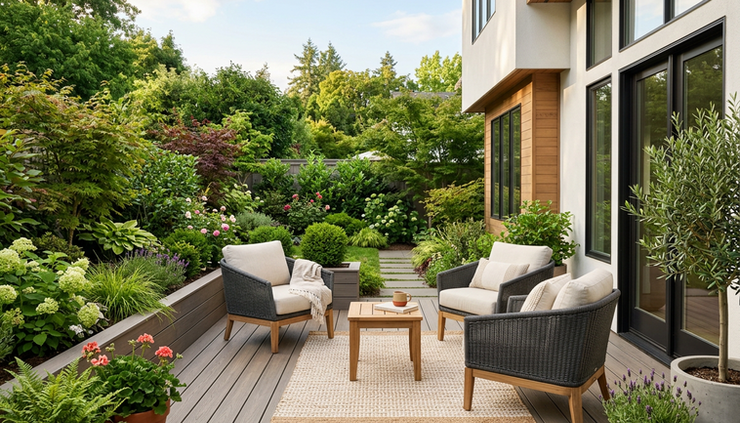
Composite decking needs less maintenance
The biggest reason many homeowners choose composite decking is simple: it asks for much less work.
Traditional wood needs regular care to stay attractive and safe. Depending on the wood type and local weather, that can include cleaning, sanding, staining, sealing, and replacing damaged boards. Skip those tasks for too long, and the surface can fade, splinter, crack, or absorb moisture.
Composite decking is usually made from a mix of wood fibers and plastic. Many boards also have a protective outer shell that helps resist stains, moisture, and fading. That does not mean it is maintenance-free, but the routine is easier. In most cases, sweeping away leaves and washing with mild soap and water is enough.
That lower upkeep can make a real difference for busy households. A composite deck can stay neat without turning every spring into a refinishing project.
Typical care needs include:
Composite decking | Traditional wood decking |
Occasional sweeping and washing | Regular cleaning, sanding, staining, or sealing |
Strong resistance to splinters | Can splinter as it ages |
No painting needed for most products | Often needs restaining or resealing |
More consistent color over time | Color changes with sun and weather |
Wood can still be worth the effort for people who love hands-on care and natural materials. But for those who want more weekends back, composite has a clear advantage.

Wood has natural beauty, while composite offers consistency
Wood decking has character that is hard to copy exactly. Cedar, redwood, and pressure-treated pine each have their own grain patterns, knots, and color shifts. For some outdoor spaces, that natural variation is part of the charm.
Over time, though, wood changes. Sun, rain, humidity, and temperature swings all affect the surface. Even well-maintained boards can weather to a silvery tone, darken in spots, or show wear in high-traffic areas. Some homeowners enjoy that aged look. Others see it as fading.
Composite decking is designed for a more consistent appearance. It comes in a wide range of colors, from warm browns to cool grays, and many products include realistic grain patterns. The boards tend to keep their look longer because they are built to resist common weather damage.
This consistency can help when planning the rest of the space. Furniture, railings, house trim, and landscaping can all be matched more easily when the decking color is predictable.
The tradeoff is texture and authenticity. High-quality composite products can look impressive, but real wood still has a natural feel that many people notice up close. The best choice comes down to taste. If organic character matters most, wood may win. If a tidy, uniform look matters more, composite is often a better fit.
Composite decking performs well in everyday weather
Outdoor surfaces take a beating. Rain, snow, direct sun, spilled drinks, wet leaves, muddy shoes, and shifting temperatures all leave their mark. The material underfoot needs to handle more than occasional use.
Composite decking is built to resist many common problems that affect wood. It does not rot in the same way wood can, and many products are less likely to warp, twist, or crack when exposed to moisture. That makes it a strong option in areas with humidity, frequent rain, or freeze-thaw cycles.
Wood can last a long time, especially when properly installed and maintained. Still, it is more vulnerable to water absorption, insect damage, and surface breakdown. The board quality, fasteners, airflow below the structure, and regular sealing all affect how well it holds up.
For families who use their outdoor space often, surface comfort also matters. Composite boards are less likely to splinter, which can be helpful around bare feet, children, and pets. Some products can get warm in direct sun, especially darker colors, so shade and color choice are worth thinking about during planning.

Costs look different upfront and over time
Traditional wood decking often costs less upfront, especially pressure-treated lumber. That can make it appealing when the budget is tight or the project is large. The lower starting cost is one of wood’s strongest advantages.
Composite decking usually has a higher initial material cost. Installation may also cost more depending on the product and fastening system. But the long-term math can look different because maintenance costs are lower.
With wood, future costs may include stain, sealant, cleaning products, tools, professional refinishing, board replacement, and more frequent repairs. Composite reduces many of those expenses. It may also save time, which matters even when no money changes hands.
A simple way to compare the two is to think beyond the installation day. Ask:
How often will the surface need refinishing?
Will the color and finish still look good in five or ten years?
How much time is available for upkeep?
Will professional maintenance be needed?
How long will the homeowner likely stay in the home?
For a short-term project or rental property, wood may make sense. For a long-term outdoor living area, composite can offer better value because it reduces repeated maintenance.
The best choice depends on how the space will be used
There is no single right answer for every home. Composite decking and wood decking both have strengths. The right material is the one that fits the way the outdoor space will actually be used.
Choose composite decking if the goal is low maintenance, long-lasting color, moisture resistance, and fewer splinters. It suits busy households, high-use patios, poolside areas, and homeowners who want a polished look without frequent refinishing.
Choose traditional wood decking if the priority is natural grain, lower upfront cost, and the ability to stain or change the finish later. Wood works well for homeowners who enjoy the look of real lumber and are comfortable with seasonal care.

Before making a final decision, look at samples outside, not just under store lighting. Check them in sun and shade. Feel the texture. Picture them beside siding, landscaping, railings, and furniture.
A great outdoor space starts with a material that fits daily life. Wood brings classic warmth and natural charm. Composite brings easier care and steady performance. For many homeowners, the best benefit of composite decking is peace of mind: more time enjoying the outdoors and less time maintaining it.


Comments